

Brand dynamics
Group Real-Time Dynamics And Cutting-Edge Information In The Field Of One Health

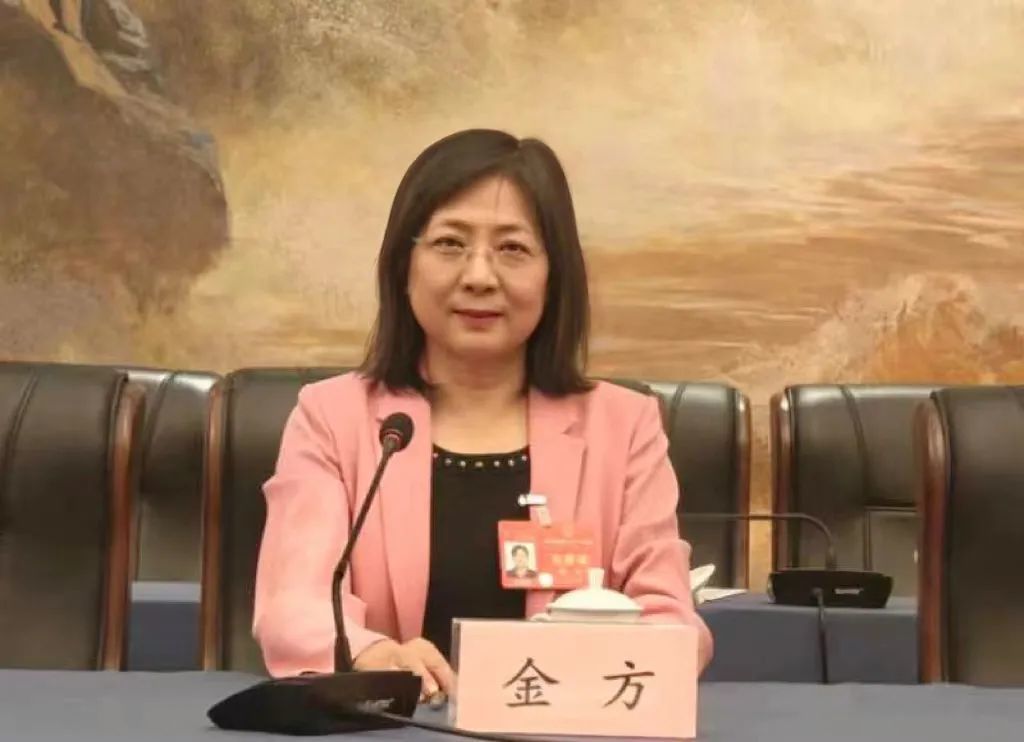
National People's Congress representative Jin Fang suggests that the clinical use of drugs for common childhood diseases should be more reasonable.
Published Time:
2024-03-08
In recent years, with the continuous increase in the number of children seeking medical attention in China, the demand for pediatric drugs has been growing.
However, there is a shortage of pediatric-specific drugs, and the lack of appropriate dosage forms and specifications, as well as the absence of pediatric drug information in drug instructions, remain common issues.
Current Situation:
Children's medication often involves a lack of available drugs or off-label use.
《 The "2022 China Health Statistics Yearbook" shows that in 2021, the number of outpatient and emergency visits to pediatric departments in China's medical and healthcare institutions reached 500 million.
"This shows that the market demand for pediatric drugs is strong. However, the rationality of pediatric drug use needs further improvement." Jin Fang, a national people's congress representative and chief scientist of Health Yuan, said that in many cases, people can only choose to divide adult drugs proportionally to give children appropriate doses, or children directly use adult doses, which significantly increases the risk of rational drug use for children.
For example, inhaled budesonide suspension is a first-line drug for asthma control treatment both domestically and internationally, and is widely used in children in China, often at adult doses. Domestic children's doses have basically reached the level of adult doses in the United States and Japan, and the daily dosage is significantly higher than that of children in the United States and Japan.
She added that the difficulties in conducting clinical trials for pediatric drugs, high investment, high requirements, small market size, and low profitability of small-sized pediatric drugs have discouraged many pharmaceutical companies, leading to frequent situations where children's medication is unavailable or requires off-label use.
Solving the Problem from Three Aspects
Jin Fang stated that currently, China's incentive strategies for pediatric drug research lack specificity and cannot be quantified, and there is also a lack of targeted guidance for pediatric drug research.
Therefore, she suggested:
1. Further accelerate the review process to ensure the accessibility of pediatric drugs. It is necessary to continuously improve policies to encourage and support the research and development and production of pediatric drugs, and reduce unnecessary clinical trials conducted on children. Further support the development of new pediatric drug varieties, dosage forms, and specifications that meet the physiological characteristics of children, and give priority to the review and approval of pediatric drugs.
2. Timely improve the rules for the price difference of pediatric drugs. It is recommended to expand the scope of government-priced drugs, and at the same time, accelerate the adjustment and supplementation of the price difference coefficient regulations for dosage forms, especially high-end complex preparations such as inhalation preparations, which are indispensable dosage forms explicitly pointed out in current medical treatment guidelines and guidelines.
3. Strengthen public publicity and increase social awareness. Strengthen the dissemination of knowledge about the characteristics of pediatric drug dosage forms and rational clinical drug use among professionals and the public, so that clinical doctors' drug guidelines and concepts are in line with international standards. Carry out science popularization education on safe and rational drug use for children's parents, and enhance the entire society's attention to safe and rational drug use for children.
Quick Navigation
+86 755-33268688 | Service Hotline

Official WeChat Official Account
Copyright © 2025 Joincare Pharmaceutical Group Industry Co., Ltd. ALL Rights Reserve.