

Brand dynamics
Group Real-Time Dynamics And Cutting-Edge Information In The Field Of One Health

Shenzhen Listed Company Innovation Code | Healthy Element: Realizing the Transformation from '0' to '1' in Research and Product Development
Published Time:
2021-08-16
Health Yuan was founded in Shenzhen Special Economic Zone in 1992 and became known to the Chinese people for its "Tai Tai Oral Liquid". From 1995 to 1997, Health Yuan completed its strategic transformation into the pharmaceutical field, gradually growing into an innovative research-oriented comprehensive group company covering the research and development, production, sales, and service of pharmaceutical and health products.
Health Yuan was listed on the Shanghai Stock Exchange in 2001. In 2002, it acquired Lizhu Pharmaceutical Group, becoming a comprehensive pharmaceutical enterprise with two large listed companies, Health Yuan Pharmaceutical and Lizhu Pharmaceutical. It has developed into a "leading player in China's inhalation preparation sector". To understand its "innovation code", the Shenzhen Business Daily reporter went to the Health Yuan headquarters in Nanshan District for an exclusive interview with Dr. Jin Fang, chief scientist of Health Yuan.
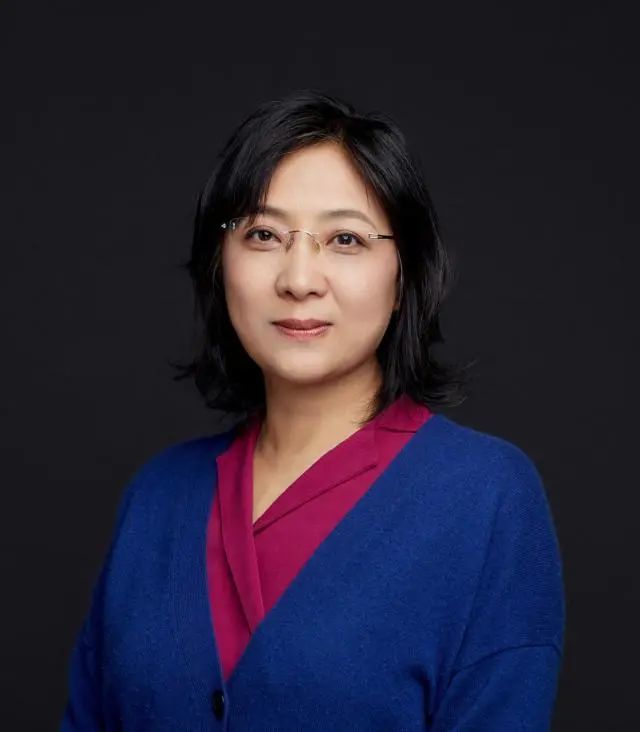
▲ Dr. Jin Fang, chief scientist of Health Yuan (photo provided by Health Yuan)
Significant progress in COVID-19 vaccine research
Recently, the Chinese Medical Journal (English edition) published the Phase II clinical trial data of the recombinant protein vaccine V-01 from Lizhu Bio, a subsidiary of Health Yuan. The data showed high levels of immunogenicity and safety characteristics in both adult and elderly groups, and is expected to enter Phase III clinical trials soon to conduct safety and efficacy assessments based on a large-scale population.
This Phase II clinical trial observed that the ratio of neutralizing antibody titers in subjects after vaccination with V-01 to the neutralizing antibody titers in the serum of convalescents was in the top tier internationally. The Phase II adult group data of Lizhu V-01 recombinant protein vaccine showed that the antibody titer reached 3 times that of convalescent patients.
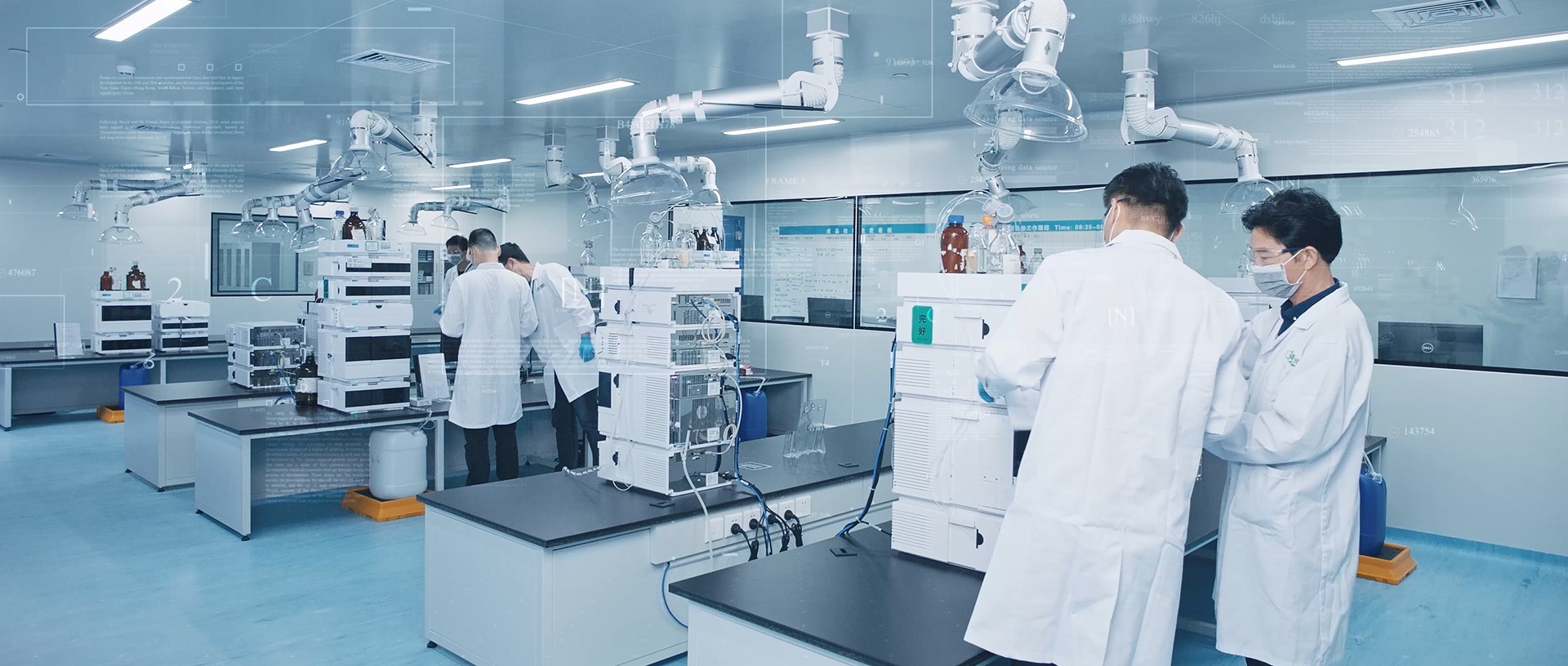
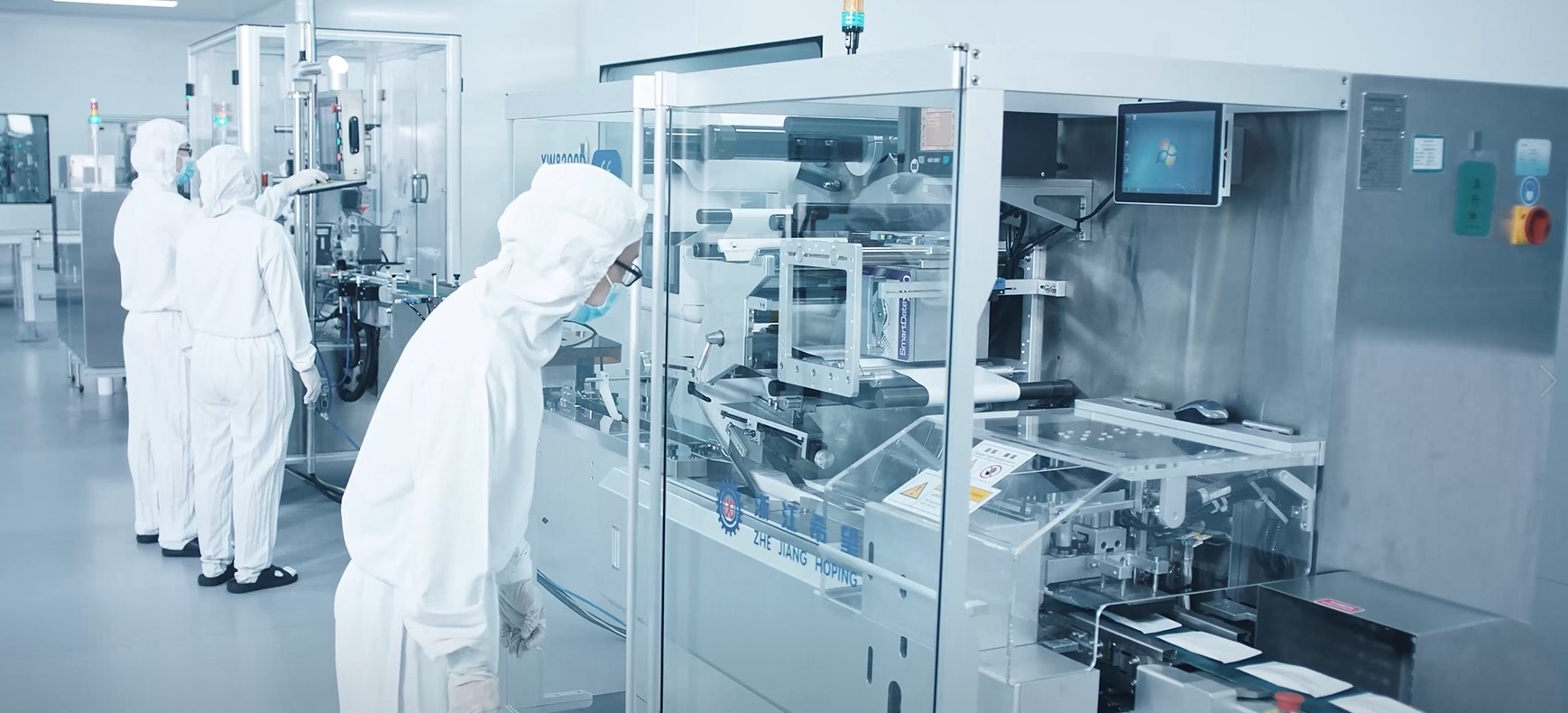
▲ Health Yuan production scene (photo provided by Health Yuan)
Jin Fang told the reporter, "COVID-19 has had a huge impact on the entire society and health, and has continuously put forward new demands for drug research and development. Because I have been engaged in the research and development of respiratory system drugs, we have been conducting research and development of drugs for the COVID-19 epidemic from the beginning, including vaccine research and development; currently, the vaccine has completed the interim analysis of Phase I and II clinical studies, and is being fully promoted overseas in Phase III. From the publicly available data, the neutralizing activity of V-01 against the virus is second only to the two mRNA vaccines and Novavax's protein vaccine that have been launched abroad, ranking among the world's top tier. In addition, we will also make timely predictions of future research and development trends, such as inhaled drugs for treatment and prevention and vaccines targeting mutant strains, which need to be considered in advance."
Ten years of sharpening the sword:
Becoming the "leading player in China's inhalation preparation sector"
Respiratory diseases are the third largest chronic disease in China, second only to cardiovascular and diabetes. In the past ten years, Health Yuan, with its keen market sense, has targeted the inhalation preparation sector, making the docking of research and production "zero distance". Jin Fang introduced: "Inhalation preparations mainly treat asthma and COPD, and with 150 million patients in China, inhalation preparations are considered high-end preparations."
In 2019, Health Yuan's Shutanlin (Compound Ipratropium Bromide Solution) and Lishutong (Salbutamol Hydrochloride Nebulization Solution) were approved for marketing and passed the consistency evaluation. In the past, most of the drugs in this field were monopolized by foreign pharmaceutical factories. This marks a major breakthrough for Health Yuan in the research and development and industrialization of inhalation preparations, becoming a highlight of Health Yuan's innovation and future development. Currently, Health Yuan's existing products cover all categories of asthma and COPD inhalation treatment drugs.
It is introduced that Shutanlin is the first inhaled preparation approved for marketing since China launched the consistency evaluation of generic drugs; while inhaled budesonide suspension (Wushu) has become the only domestic enterprise with both large and small specifications approved, among which the children's specification is the first domestic imitation approved.
Jin Fang frankly said: "Although the price of children's specification drugs is relatively cheap, and the production of low-dose inhalation preparations is more difficult, we still choose to develop children's drugs first. Health Yuan's vision is to 'make good new drugs with care', and the reason why I left the research institute and accepted the invitation of Chairman Zhu Baoguo to join Health Yuan after comparison and consideration has two reasons: first, there should be our own domestic inhalation products clinically, and second, to allow Chinese children with asthma to have special children's preparations, and no longer use adult drugs. I did it, and I'm very happy!"
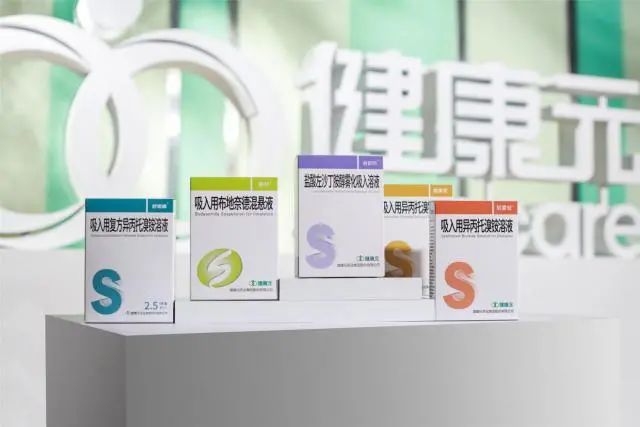
▲ Health Yuan inhalation preparation products (photo provided by Health Yuan)
This is the greatest pain for a scientist ——Research cannot be converted into productivity
Jin Fang, chief scientist of Health Yuan, joined Health Yuan in 2014. Before that, she had been studying and working at the Shanghai Pharmaceutical Industry Research Institute, and had gone to the United States for postdoctoral studies. For a scientist, the greatest pain is not the inability to develop good drugs, but the inability to convert their research results into productivity and benefit the public.
Jin Fang introduced that she originally thought she would work in a research institution for her whole life, but a chance survey in 2012 made her fall into confusion. At that time, she undertook a survey project of the United Nations, surveying the clinical use of drugs in the field of asthma and COPD in China. This survey shocked her: more than 95% of clinical drugs were imported products, and research results had not been converted into products. Having been engaged in formulation research for more than 20 years, she herself has successfully developed nearly 10 projects and obtained production licenses, but she found in the survey that they were not used clinically.
"At that time, I was very surprised, and this surprise led to a deep thought - as a researcher, what is my value? Is it a series of expert titles and government-supported projects? If our research products cannot be put on the market, and research cannot be converted into productivity, it is equal to doing nothing, and my 'products' can only be samples and exhibits in the laboratory. So I decided to go to enterprises and go to the production front line to truly transform my research results into products and realize the social value of a researcher." Jin Fang said.
From research to production, there is a "vast distance"
When Jin Fang first arrived in Shenzhen in 2014, the most impressive thing about Shenzhen was its speed. "This speed also requires us to speed up our research and development, shorten the time interval between laboratory research and factory industrialization, improve efficiency, and catch up with the 'Shenzhen speed'." Later, she found that there was indeed a "vast distance" between research and production.
Jin Fang analyzed the deeper reasons to the reporter: the research institute mainly researches new technologies and explores mechanisms, but these technologies always tend to become more and more complex. Because of the inertia cultivated during graduate studies, they will move towards the complex logic and data support required for publishing papers. However, in large-scale enterprise production, the processes and procedures should be as simple as possible."
Jin Fang recalled that many research projects in the research institute were not something that enterprises could absorb and digest at the time. In the process of transformation and industrialization of this new technology, many obstacles would be encountered. Breaking these obstacles, a project would take at least three to five years, and as long as ten years. "After coming to Health Yuan, I decided to spend three years to achieve seamless connection between research and development and production."
The chief scientist who set up the laboratory in the workshop
In 2014, Jin Fang became the chief scientist of HealthGen. Based on her previous research experience, she formulated a plan for inhalation preparations: First, the goal was to build a research-driven enterprise capable of participating in international competition; second, to conduct research on eight projects within three years, with one product ready for registration application to the national authority; third, to have a professional R&D team of 30 people. Ultimately, they achieved their three-year goals in just two years.
The first two years were the most difficult. Jin Fang frequently went down to the workshop. The factory workshop was engaged in daily production while also cooperating with her research. "Sometimes, production had to be stopped for our research; it was all investment, very difficult. For almost the first six production lines, I was in the workshop for the pilot-scale amplification of the first product on each line, following the production of each product one by one. In 2015, we applied for our first inhalation product, and by 2017, all eight projects were submitted. Now we maintain the submission of eight projects annually, with 40 projects currently running at different research stages."
Jin Fang said: "We used to say that research and production were 'two separate entities,' difficult to combine; but when I joined HealthGen, I wanted to make research and production 'one entity.' I'm glad that we've truly achieved this now. Now, after a project is initiated, it usually takes two years to submit it. I want to compress this further, to within a year and a half."
Thirty Years of 'Youth':
Innovation Keeps This 'Veteran Pharmaceutical Company' Youthful and Vibrant
After thirty years of development, HealthGen now owns more than 20 major subsidiaries and employs nearly 13,000 people. In 2020, it had 1,557 R&D personnel; total R&D investment amounted to 1.261 billion yuan, an increase of 18.25% year-on-year; five products obtained registration approvals, six products obtained clinical approvals, and another four products passed consistency evaluations.
As of the end of 2020, HealthGen and its subsidiaries had applied for a total of 826 patents, including 543 domestic invention patents; the total number of authorized patents was 558, including 320 domestic invention patents; 71 international patents were applied for, of which 48 were authorized; and 18 PCT international applications were submitted.
Expert:
Contributing 'Shenzhen Wisdom' to the Global Biopharmaceutical Innovation Trend
HealthGen's financial report shows that in 2020, the company's main business achieved operating revenue of 13.446 billion yuan, an increase of 1.543 billion yuan year-on-year, representing a growth of 12.97%. Among them, chemical preparations increased by 8.44% year-on-year, chemical raw materials and intermediates increased by 12.24% year-on-year, and diagnostic reagents and equipment increased by 83.28% year-on-year.
Speaking of her understanding of "innovation," Jin Fang believes that innovation is a continuous process of "resetting." Jin Fang revealed: "In 2021, HealthGen's innovation journey will be 'reset' again, starting anew, with the construction of a new research institute in Shenzhen. The most important goal is to build a research-driven enterprise capable of participating in international competition. I think this goal is always on the way, and to participate in international competition, there can be no relaxation."
Guo Bin, academic committee member of Zhejiang University, professor at the School of Management, and director of the Innovation, Entrepreneurship and Strategy Department, in an interview with Shenzhen Business Daily, analyzed that HealthGen's unique characteristic lies in breaking down the invisible barriers between research and production. "Bridging the last mile between research and production seems easy but is actually difficult. Shenzhen pharmaceutical companies dare to innovate and break through, and they have been outstanding in bridging this last 'mile,' forming a Shenzhen characteristic and contributing 'Shenzhen wisdom' to the global biopharmaceutical innovation trend." said Guo Bin.
Reprinted from: Shenzhen Business Daily
Quick Navigation
+86 755-33268688 | Service Hotline

Official WeChat Official Account
Copyright © 2025 Joincare Pharmaceutical Group Industry Co., Ltd. ALL Rights Reserve.